
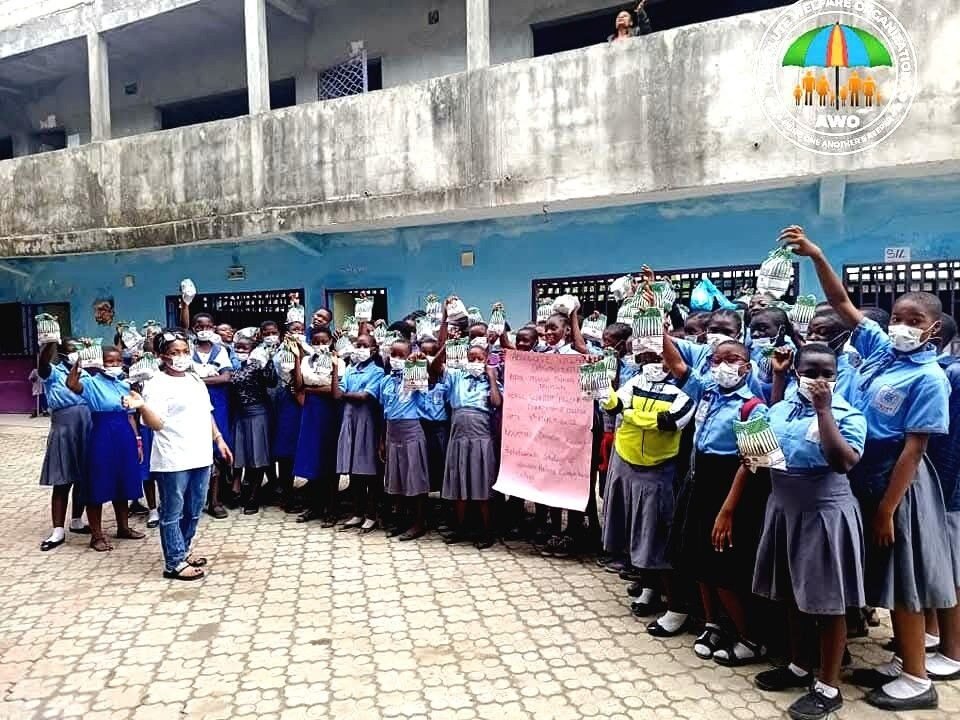
Menstrual Education to Teenage Girls
Menstrual Education for Teenage Girls: Health, Dignity, and Empowerment
Basically, teaching teenage girls about periods is the same as giving them proper health knowledge and confidence for their dignity.
As per natural body functions, periods are normal and healthy, but regarding teenage girls worldwide, millions face shame, wrong information, and cannot get proper resources they need. Many girls actually miss school and definitely struggle with bad hygiene because they don’t get proper education and help about these things.
AWO’s Belief in Menstrual Education
As per AWO’s belief, menstrual education is not only about body science but also regarding dignity, health, equality, and women’s empowerment.
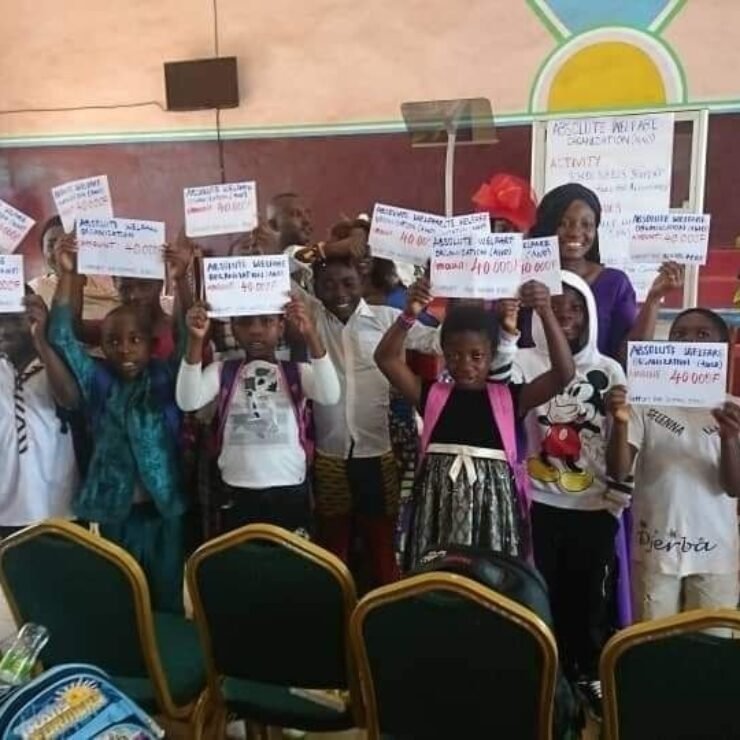
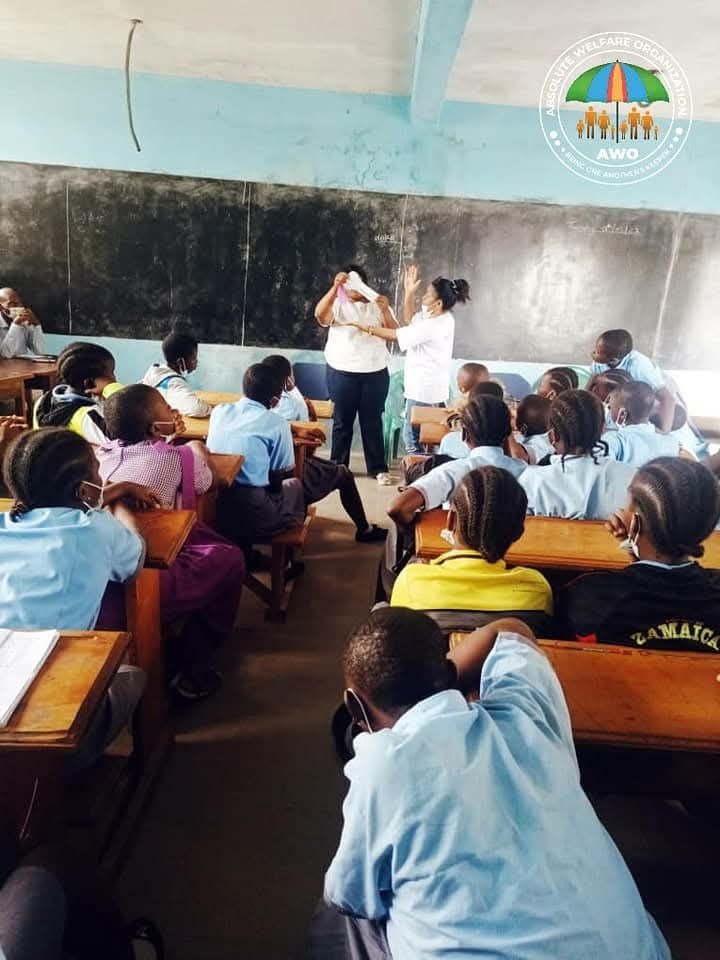
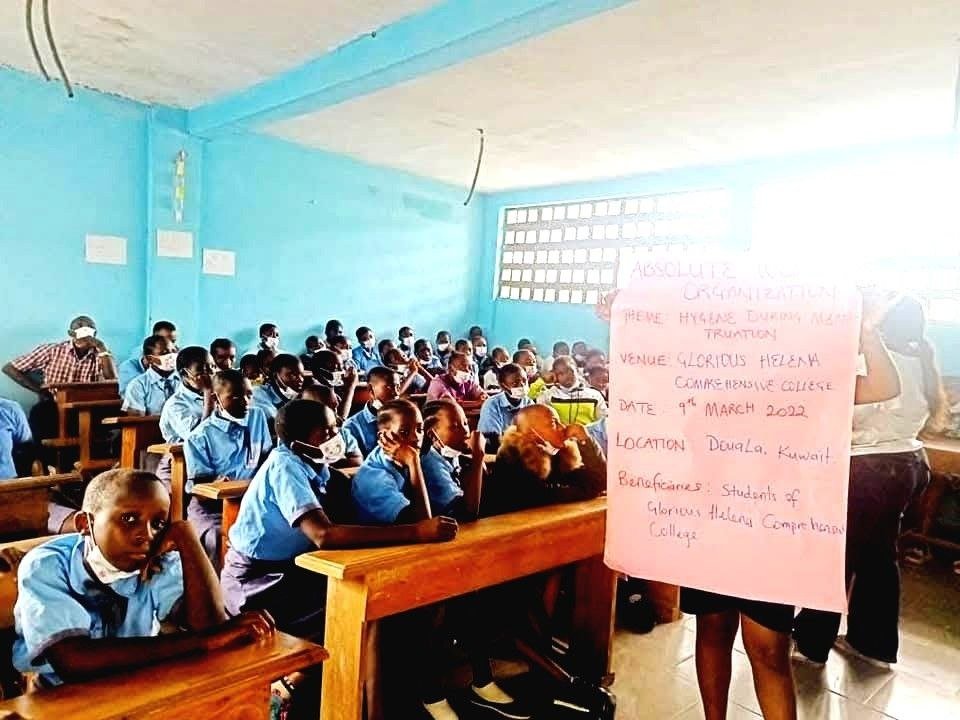
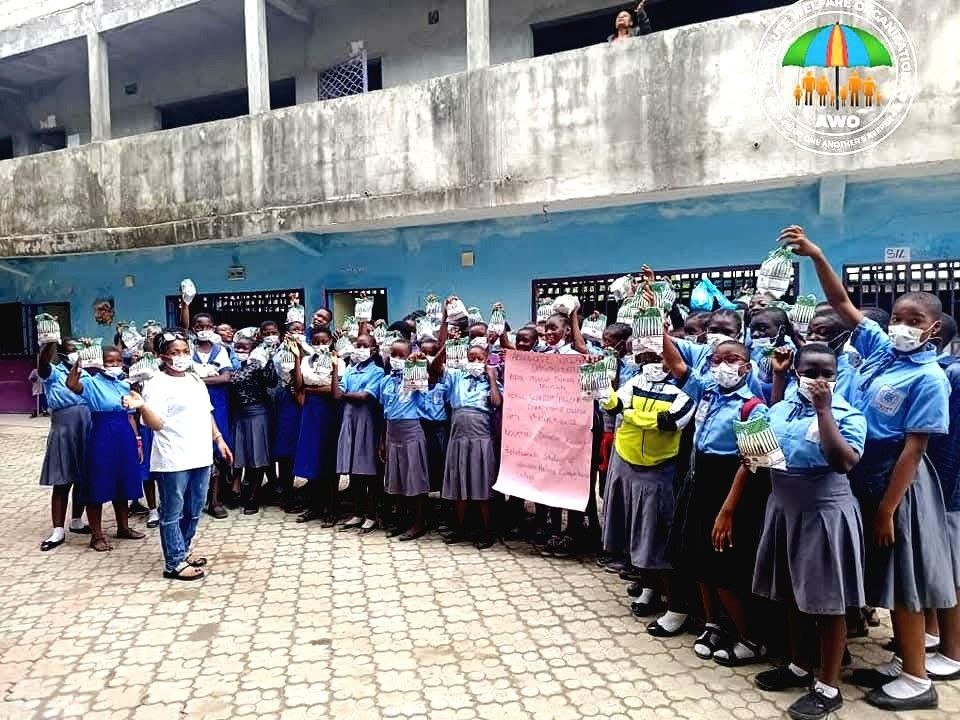
As per our programs regarding menstrual education and hygiene training, we provide sanitary products and community awareness to help teenage girls build confidence and improve their lives.
We definitely need your support to actually make this happen. Your donation can actually help us reach more girls and definitely provide important resources to create real change in communities.
Client:
WebGeniusLab
Date:
June 12, 2020
Categories:
Charity
Tags:
Charity, Care
Challenges Faced by Teenage Girls
Basically, teenage girls face the same difficult problems and challenges in their daily life.
1. Societal Taboos
- Many societies across the world actually treat menstruation as a taboo topic.
- Girls start their periods without knowing what is happening in their body.
- They face shame, fear, and isolation, which badly affects their health and education.
- This stigma also harms social development in many ways.
2. Knowledge Gaps
- Many students face difficulties due to insufficient understanding of basic concepts.
- Lack of guidance before their first period creates unnecessary confusion and fear.
- Girls may not understand changes happening in their bodies or how to manage cycles.
- Ignorance can lead to worry, confusion, and health problems.
3. Lack of Access to Sanitary Products
- In villages and poor areas, sanitary pads, tampons, or menstrual cups are not easily accessible.
- High costs make these products unaffordable for low-income families.
- Girls often use unsafe alternatives like cloth, leaves, or newspapers, causing infections and pain.
4. School Absenteeism
- Many girls do not go to school during periods due to lack of clean products or safe toilets.
- Absenteeism affects studies and increases school dropouts.
5. Social Shame and Cultural Barriers
- Some communities think menstruation is dirty or shameful.
- Girls face restrictions in daily activities like cooking, attending school, or social events.
- Stigma perpetuates cycles of ignorance and reduces opportunities for growth.
Importance of Menstrual Education
Menstrual education is very important because it helps girls:
- Understand their bodies better
- Reduce shame and fear
- Gain confidence to focus on studies and personal growth
Education about menstruation is not just a health program but also a matter of human rights. When girls understand their bodies and have the right tools for periods, they get more confidence and can focus on learning and growing.
Health and Hygiene Benefits
- Proper knowledge teaches girls how to stay clean and healthy.
- Builds lifelong habits for hygiene and nutrition.
School Attendance
- Access to sanitary products ensures girls attend school regularly.
- Consistent attendance improves academic performance and future opportunities.
Confidence and Self-Esteem
- Understanding their bodies builds personal confidence.
- Girls participate fully in school and community life without fear.
Breaking Taboos
- Education challenges harmful beliefs about menstruation.
- Promotes equality between girls and boys.
- Families and communities become more supportive.
AWO’s Approach to Menstrual Education
At AWO, we implement comprehensive programs combining education, resources, and community engagement to empower teenage girls.
1. Education Programs
- Schools and communities organize workshops and seminars.
- Older girls mentor younger students.
- Visual and interactive materials create hands-on learning experiences.
Outcome: Girls receive correct information about their bodies and develop good health habits.
2. Access to Sanitary Products
- Safe and affordable menstrual products are provided, including:
- Sanitary pads and tampons for regular use
- Reusable menstrual cups and cloth pads as sustainable options
Outcome: Girls can manage periods safely, avoid illness, and reduce discomfort.
3. School and Community Facilities
- Clean toilets with running water for private use
- Proper disposal systems for sanitary products
- Spaces for changing clothes and maintaining hygiene
Outcome: Girls attend school confidently without embarrassment or health issues.
4. Community Engagement
- Parents, teachers, and local leaders are involved in education programs.
- Workshops educate families with practical knowledge.
- Policy advocacy ensures support for girls’ health at local and national levels.
- Boys and men participate to normalize discussions about menstruation.
Outcome: Supportive communities allow girls to thrive and succeed.
5. Empowerment Through Knowledge
- Learning about periods teaches rights, personal care, and decision-making.
- Builds confidence to pursue education and life goals.
Outcome: Girls become strong, independent, and informed.
Success Stories
- Teenage girls who missed school now attend daily, perform well, and mentor others.
- Communities openly discuss menstrual hygiene and support girls.
- Families report healthier daughters with fewer infections and higher confidence.
Each story demonstrates the powerful impact of education and resources.
Importance of Support
Giving proper menstrual education and hygiene support requires:
- Adequate resources
- Proper training
- Long-term commitment
How Your Contribution Helps
- Workshops and seminars in schools
- Provision of sanitary products
- Better toilets and clean water facilities
- Training for teachers and peer educators
- Advocacy for policy changes
Outcome: Girls handle periods with dignity, attend school regularly, and grow into empowered adults.
Ripple Effect of Donations
- Educated girls have better health, confidence, and academic success.
- Communities become understanding and supportive.
- Girls grow into women who champion positive change for future generations.
Impact of Small Contributions
Even small donations can create big changes:
| Amount | Impact |
|---|---|
| $10 | One month of sanitary products for a girl |
| $50 | Fund a school workshop on menstrual education |
| $100 | Improve toilet and washing facilities in one school |
- Sharing the mission inspires others and creates a positive chain reaction.
- Small efforts from many people create lasting societal change.
Urgency of the Issue
- Millions of girls lack education, resources, and support for safe menstruation.
- Immediate action is needed to improve health, education, and dignity.
Ways to Support
- Donate to provide education and sanitary products
- Sponsor school programs for menstrual health
- Volunteer to mentor or teach students
- Raise awareness locally and online
Every action counts. Each donation helps build a brighter future for teenage girls.
Investing in Girls’ Future
- Period education gives girls power, respect, and equal opportunities.
- Support ensures they attend school and pursue their dreams confidently.
- Your help empowers girls to grow safely, stay healthy, and succeed.
Conclusion
The Absolute Welfare Organization (AWO) works to provide menstrual education and hygiene support to teenage girls.
- Donate today to help a girl go to school, stay healthy, and build confidence.
- Your contribution is an investment in health, education, equality, and the future.
Small efforts, combined, create large and lasting impact for girls, families, and communities worldwide.